Picking Your Family Milk Cow
Our first dairy cow, Luna, was the queen of our farm and we still love her. She is surprisingly calm, a relatively low producer, and highly food motivated. And she genuinely likes attention. She’s also a stubborn woman that will refuse to walk on a lead rope, but I forgive her and work around that quirk.
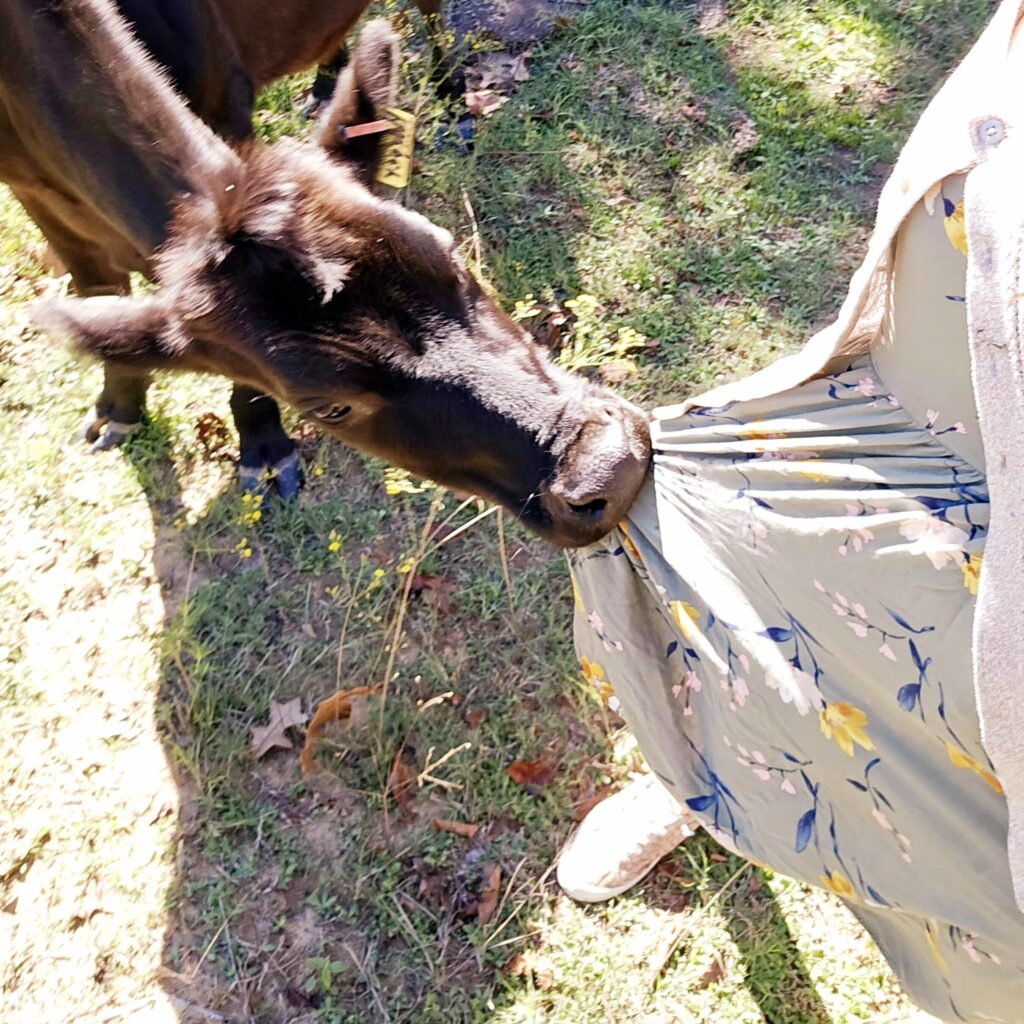
I picked her, essentially because we got a good deal. And I got SO lucky. She was a heifer (never had a calf), but went on to calve successfully unassisted, wasn’t defensive with her raging new mama hormones, but still had solid motherly insticts. Plus, I had no clue what I was doing. She was perfect for learning how to have a milk cow without feeling defeated and everything going awry.
Since then, I’ve have learned a thing or two. Cows come in all personalities, shapes n’ sizes, milk production, daily upkeep, and health factors and they’re all extremely important to consider. So before picking your milking queen, be sure you’re not simply falling in love with a pretty face, romanticised blog photos, nor the idea of “fresh milk every day.” You can easily end up with a cow that’s too high-maintenance, too high-production, or too hard to handle.
1. Consider you and your family
- How many gallons per day do we realistically use?
- Do we want a heavy producer or a moderate one.
- Do we plan to make butter/cheese or mainly drink milk?
- Do you have a trailer to take your cow to the vet, if necessary?
- Do we want once-a-day milking, or are we okay with twice-a-day?
- Can we deal with extra milk, or will it overwhelm us?
A heavy producer can churn out 6-8 gallons per day, have expensive feed requirements to maintain her body condition, and risk milk fever after calving. You don’t want all that, so be sure to ask the right questions during purchasing.
2. Start with the Breed That Matches Your Goals
Different breeds bring different strengths. So make sure you pick the milk puppy that fits your farm.
Jerseys-Rich cream, high butterfat. They’re smaller and easier to manage. They will need feed when in milk to maintain body condition and they are known for being delicate metabolically. They must be well-managed, especially post-calving. (I will do an entire post on Jerseys because they are the most popular and what I have experience with.)
Guernseys-Gentle temperament and beautiful golden milk with moderate production. However, they can be harder to find and more expensive
Mini Jerseys-Lower volume production and subsequently requires less feed. They are easier to handle and great for small families or limited acreage. However, really research your breeder because poor minis can have bad udders or conformation. Consider also, their udder will be closer to the ground and you may have trouble fitting a bucket or an electric milker.
Holsteins-Tremendous milk output and not really ideal for beginners or small households unless you need lots of milk.
Crossbreeds (This was Luna, though I didn’t know it)-Often the best balance: hardy, fertile, gentle, and moderate in production.
3. Temperament: The Deal-Breaker Trait
A family milk cow must be calm, safe, and predictable. Anything else becomes a daily battle you will eventually lose.When evaluating temperament I look for curious, calm behavior. A cow that moves away quietly rather than charging past you. You want a willingness to be touched on flank, legs, and udder and is halter broken and preferably be lead on a lead rope. (Luna is stubbon and refuses to be lead on a lead rope. She resists, but will happily follow you around without one. Do as I say, not as I do!) You definitely want a cow that stands tied or haltered without panic.
Always avoid: Head-shaking, pinning ears back, wide eyes, or trying to bolt. You want a lady that you can walk up to and touch. Cows are often shy around strangers, but you should be able to, at least, pet her, especially if you have feed. A dairy cow needs to be food motivated and most are. Her owner should definitely be able to touch and handle her. A cow the seller refuses to walk into the pen with.“She’s fine once she gets used to you” (translation: she’s not fine).
Just remember…you can polish behavior with training, but you cannot fix a spicy temperament.
4. Udder Quality: A gentle cow with a bad udder is still the wrong cow.
Check for four working teats with no “blind quarters” and easy to grip for hand-milking. As far as her udder, look for high, snug, not sagging between the hocks.
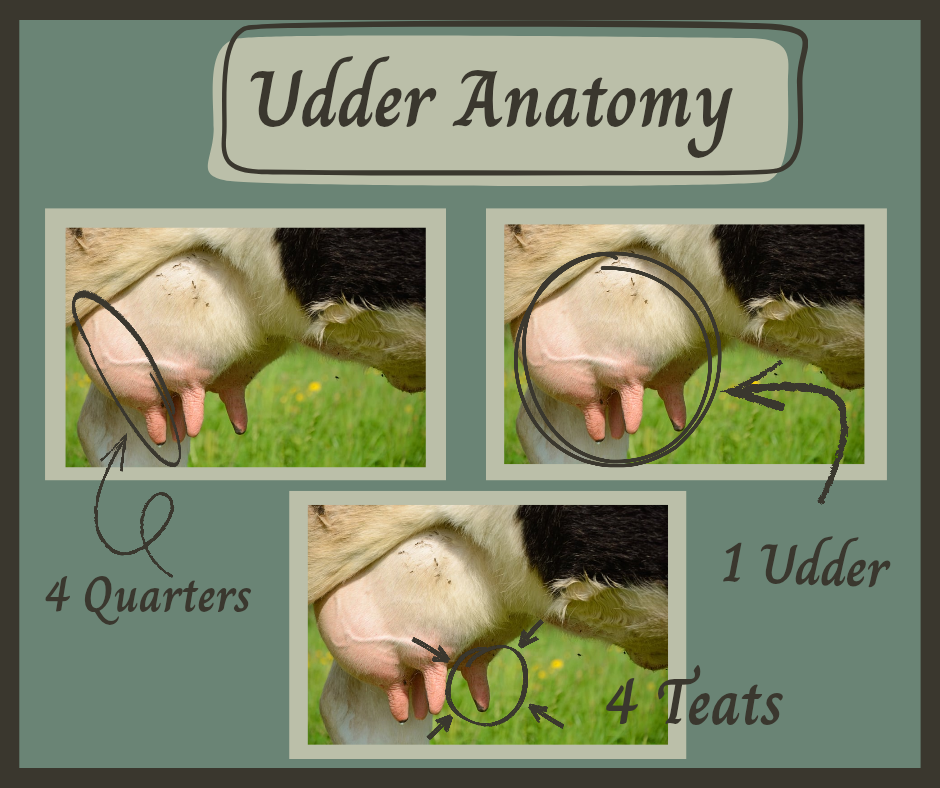
Evaluate for Even quarter shape and softness.
Ask questions:
Has she ever had mastitis? How many times?Which quarter? How was it treated?
If the seller becomes vague or irritated, skip the cow.
5. Production Level: Not Too Much, Not Too Little
For most families between 2-3 gallons/day is ideal. And remember, that is still A LOT of milk. But calf sharing is an option that will grow a healthy baby, use excess milk, and provide flexibility with milking. Anything under 1 gallon/day usually means poor breeding, poor nutrition, or poor udder development.
Ask:How many gallons does she give currently?How many gallons did she peak at? How often is she milked? What feed is she on? It is common to feed 1 lb of feed for every gallon of milk produced.
6. Health and Soundness: Feet, Legs, Body Condition
A good cow must walk well, stand well, and be neither starved nor obese. Pay attention to her feet & Legs. You want an even stride with No limping, of course. The hoof on either side of her toe split should not cross the other nor be severely overgrown or cracked. Bad feet can equal chronic care problems.
Body Condition – remember that a healthy dairy cow will appear much skinnier compared to their beef-bred counterparts.
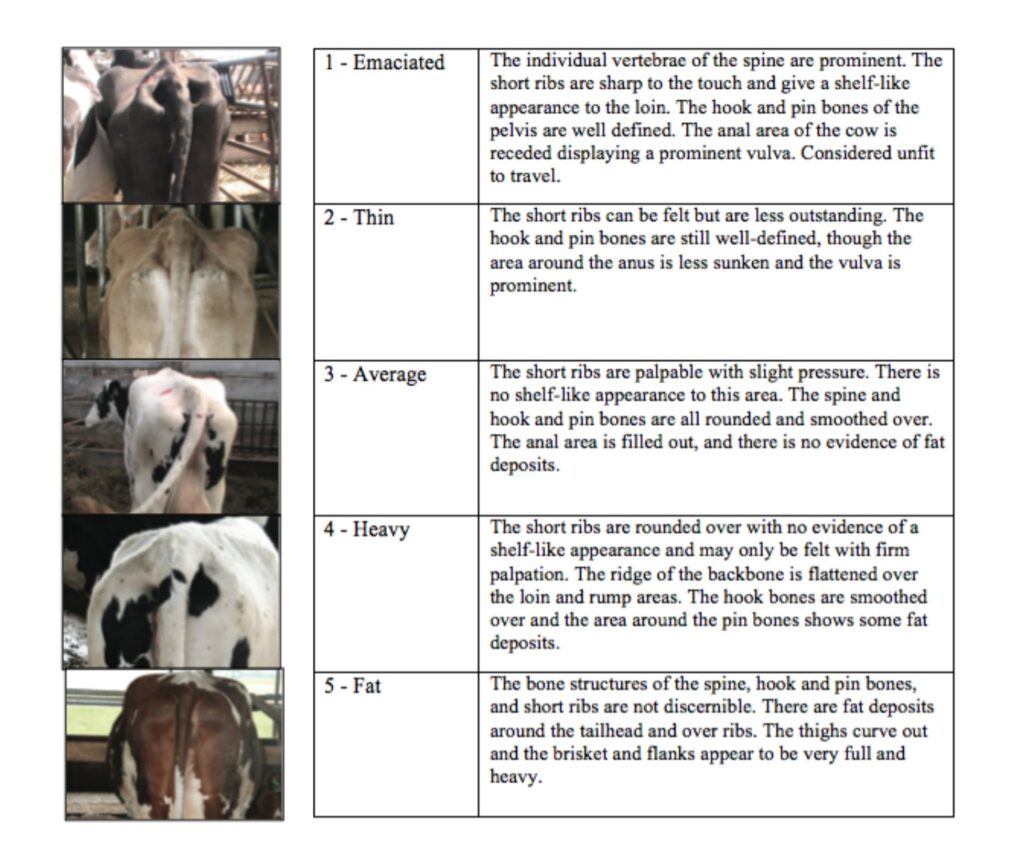
Too thin: maybe parasites, poor nutrition, or underlying illness
Too fat: high risk of calving problems and metabolic disease
Aim for a cow that looks solid, not frail and not fluffy.
7. Reproductive History: A Proven Cow Is Safer
The best beginner cow is one who has calved successfully, unassisted, at least once. This gives credibility to her birthing conformation and motherly instincts. It’s preferred that she milks well and safely in a stanchion and has bred back on a normal schedule. Dairy cattle should have a calf every year to maintain proper hormonal health.
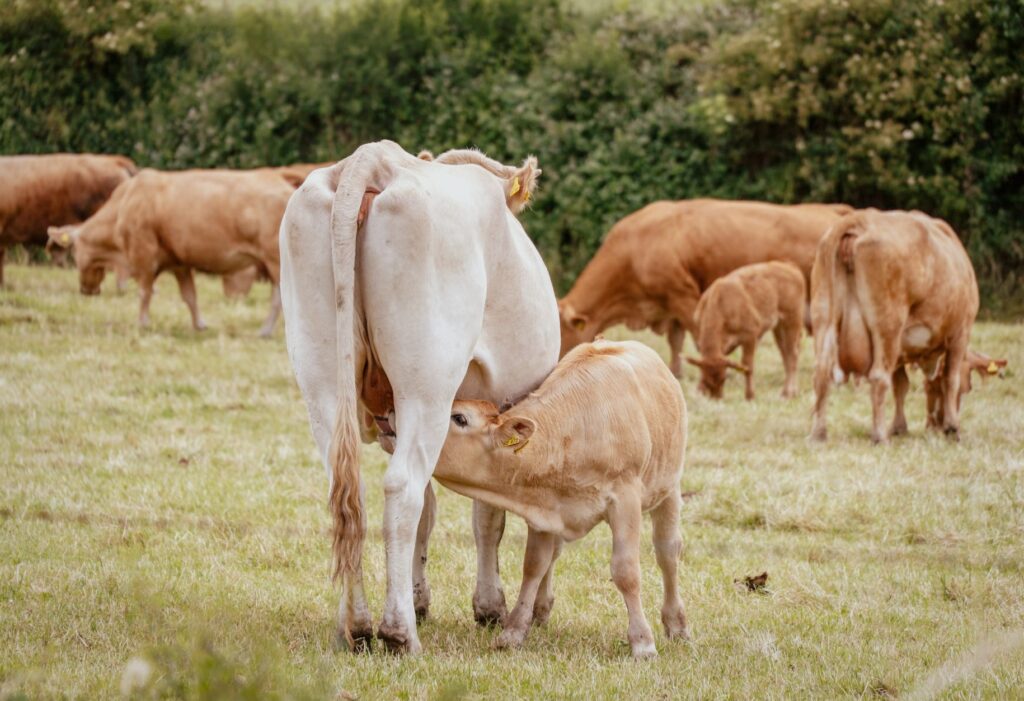
Important questions: When did she last calve? Is she pregnant now? Due when? Has she ever had calving complications? Has she bred back easily?A “never milked, never bred” heifer is a riskier purchase for a first-time owner.
8. Questions to Ask Every Seller
I have found that some farmers have a generally annoyed attitude towards inexperienced buyers. This doesn’t necessarily mean that it’s the wrong cow for you, but stand your ground, ask the questions, and if the farmer is difficult to work with, move along and pick from other stock.
Go in direct and unapologetic. Ask, “how long have you owned her?” “Why are you selling?” “How much milk is she giving right now?” “What is she eating daily?” “Has she had mastitis?” “How many times?” “Fully resolved?” “Any history of milk fever or ketosis?” “Does she stand quietly for milking?” “Can I see her milked or handled?” “Is she safe around children?”
9. Red Flags That Mean “Don’t Buy This Cow”
Seller won’t let you see her milked. No udder photos provided.
“All four quarters work” but can’t demonstrate it.
“She has great potential as a family cow” (translation: unproven).
“Needs a patient handler” (translation: unsafe).
Cow is extremely thin or extremely fat.A wild, unhandled cow priced as a “great beginner cow.”
Any hint of dishonesty.There are plenty of good cows out there. Don’t compromise on safety or the qualities that fit your life.